Staying at the Hakujukan Eiheiji
Outside of the city of Fukui, tucked away in the cedar covered mountains, is an enchanting zen temple town with an equally serene ryokan. Though you don’t have to stay there to visit the temple, it certainly enhances the overall experience. Here’s what it was like staying at the Hakujukan Eiheiji.

This post may include gifted items and affiliate links. For details check out our Privacy Policy page.
*My hotel stay and experience was not gifted. Everything in this post I paid for*
Where is the Hakujukan Ryokan
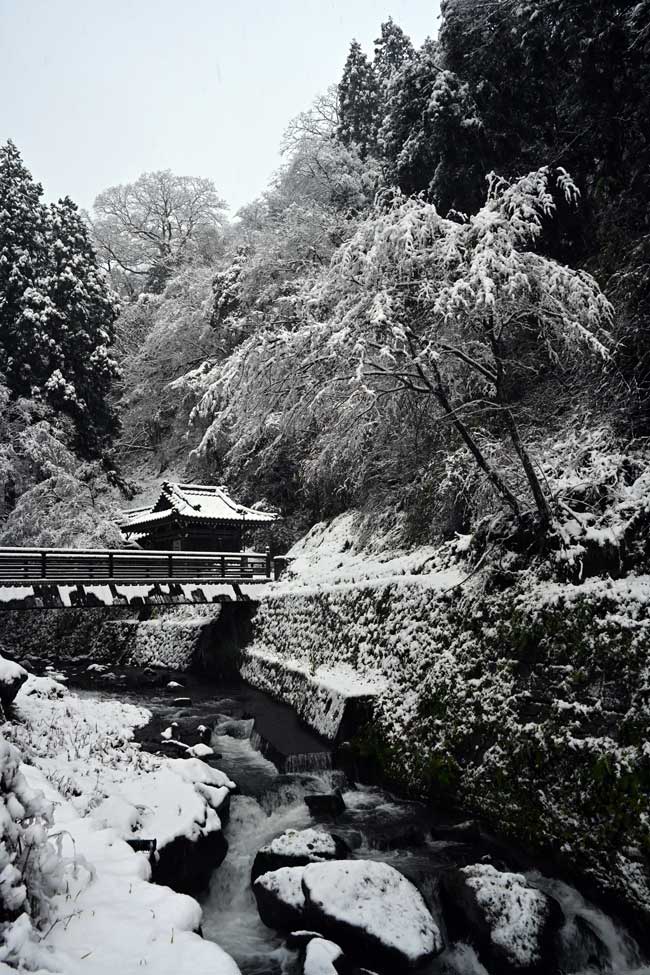
The Hakujukan Ryokan is located within the Eiheiji temple village which is up the mountain from the main town area.
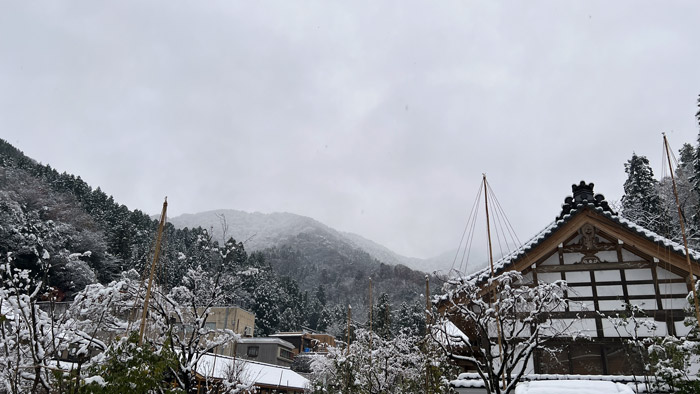
One of the many upsides of staying at the Hakujukan is its location in proximity to the temple. When we went the morning service at 4am to experience zazen and the chanting monks, we were only a 5 minute walk away. At that hour, it was the perfect amount of walking – especially since it was snowing!

Staying at the Hakujukan Eiheiji
Japan is known for its exceptional hospitality, but staying a the Hakujukan took it to the next level. Upon our arrival, we were greeted with delicious tea and hot towelettes. As well as the intoxicating aroma of what I later discovered to be the Hakujukan’s personal brand of Eiheiji Cedar incense!
Everything was immaculate. Did I feel like a bit of a dirt grub rolling up there sweaty, hauling my minimal (but heavy enough) luggage? Yes I did. However, that’s entirely on me as the staff were nothing short of gracious.

Hakujukan Eiheiji Rooms
Starting our trip off in the cramped accommodations of Tokyo made the rooms at the Hakujukan feel immense. The room was large even compared to North American standards.
Size aside, the amenities, interior design, and quality of linens really made it a premium experience.

At first, I made jokes about how the separate beds made me feel like I was in a 1960s family sitcom but that didn’t last long when I realized how glorious it was to have an undisturbed sleep after a 20,000+ step day.

In addition to having the comfiest beds with the best sheets, the pillows were also a treat. Many of the hotels we stayed at within Japan had the traditional buckwheat filled pillows which I personally find difficult to sleep on. The pillows at the Hakujukan were akin to a cloud.

The Eiheijigawa river runs directly alongside the Hakujukan and every room within the ryokan has a view of it as well as the town. With that said, there is not a single bad view within the town to begin with!

Amenities at the Hakujukan
One of my favourite features of most Japanese accomodations is their attention to detail when it comes to necessities. Even mediocre hotels will provide you with slippers, a toothbrush, toiletries, and a robe. With premium lodging comes better amenities.
The samue outfit (sometimes referred to as a yukata) was exceptionally comfortable and they even provided tabi socks that we were welcome to take at the end of our stay.
On top of the wonderful room amenities, there are facilities within the hotel that guests have access to.

Open Bath Kosuikai
Since there aren’t bathtubs within the hotel rooms (just showers) there is a gender divided open bath kosuikai that has both indoor and outdoor bathing options.
The zen sounds of the Eiheijigawa River can be heard from the openair side of the baths. Highly recommend!

Above image from the Hakujukan hotel website as cameras are not permitted in the bath areas (for obvious reasons).

Gift Shop
Two delicious petit marshmallow treats were in our room when we first arrived. Those delightful sweets along with the hotel’s signature Eiheiji cedar incense (and more) in their souvenir shop.

Zen Garden
With the overnight snowfall, we didn’t get to experience the zen garden though it did look lovely. We visited in mid December and the day we arrived it was lush greenery. 12 hours later, the town was blanketed in a wet half foot of snow. It looked lovely but it was on the chilly side.
Restaurant Suisen
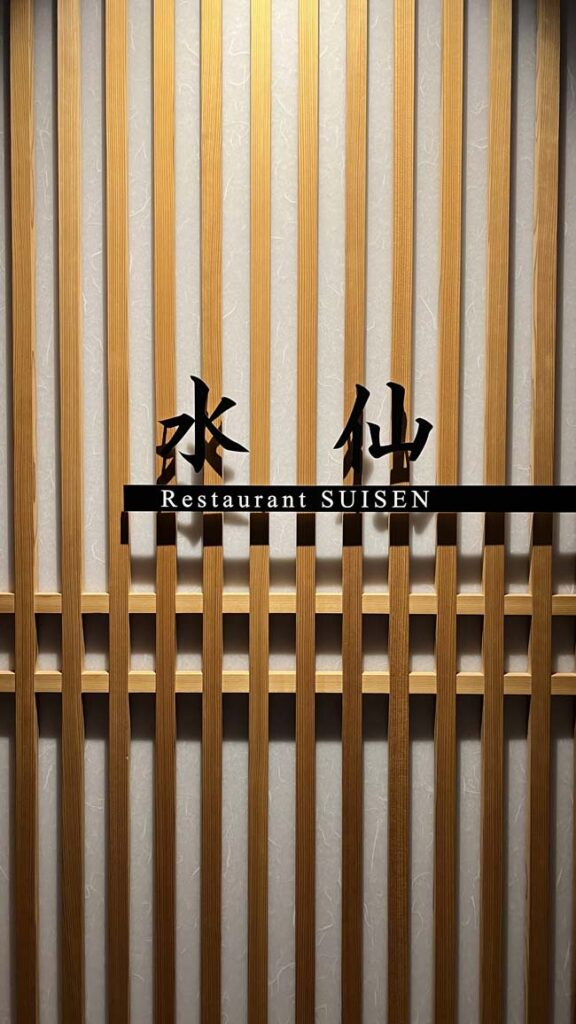
The ryokan experience includes traditional meals. Guests at the Hakujukan enjoy both dinner and breakfast at the restaurant Suisen within the hotel. Much like the rooms, the dining room overlooks the Eiheijigawa river too.

In the foyer of the hotel there’s a spectacular room sized wooden fish shaped gong that was once used to summon the monks for meal times!

Shojin Vegetarian Buddhist Cuisine
Part of the zazen experience includes shojin ryori meals which is vegetarian Buddhist cuisine. Traditionally, Buddhist monks eat vegetarian meals that often exclude dairy products as well. The dishes mainly focus on tofu and seasonal vegetables.

At the Hakujukan, guests have the choice between traditional vegetarian meals or adding on regional delicacies like crab, puffer fish, flounder and local beef.
The chefs preparing the Shojin ryori here have been taught how to prepare dishes that “embodies the spirit of Zen” by the Daihonzan Eiheiji Temple.

Shojin Ryori Dinner
Being vegetarian already it was delightful having a meal option that I knew I could enjoy fully. The first evening we arrived in time to go to the temple for a zazen session followed by a multi course dinner experience back at the hotel.
As the meal included several immaculate and tasty dishes, I will be making an additional post devoted solely to the meals at the Hakujukan. And I will link them here when they’re live.

Shojin Ryori Breakfast
Breakfast at the Hakujukan was served post morning service at the temple. The warm porridges and soups were just what I needed after traipsing through the fresh snow on our walk back.
Similar to the dinner service, I will be writing a post devoted to the full meal as the dishes deserve an extensive breakdown.

Visiting Eiheiji Temple from the Hakujukan
When staying at the Hakujukan, you have the benefit of the concierge arranging the temple visit. When checking in, you can indicate which experiences at the temple you wish to participate in. And they are free of charge! Here’s my blog post about Visiting Eiheiji Temple.

Zazen Experience
There are two temple experiences guests can opt in to doing. The first is the zazen meditation session which happens in the evening before dinnertime. It’s an opportunity to learn how to meditate in a traditional setting.
The second is attending the morning service before breakfast which happens around 4am in the winter but well worth observing. It’s a mesmerizing spectacle of great precision, dedication, and practice. From the sutra reading, chanting, and incense burning, all of your senses are fully awakened to begin the day.

How to get to Hakujukan Ryokan
There are several ways to get to the Hakujukan Ryokan in Eiheiji but I’ve only experienced one way and it was easy so here’s my recommendation.
The Keifuku bus runs directly from Fukui station to the Eiheiji bus stop. A ticket costs ¥750 for an adult one way but is payable via Suica card when boarding the bus. Keifuku buses are similar to the North American Greyhound but MUCH nicer.
Exit on the east side of Fukui train station to board the bus to Eiheiji. The walk from Eiheiji Temple Station to the Hakujukan is 5-10 minutes depending on luggage / weather / physical ability. It’s also worth noting that the walk is up hill.

Staying at the Hakujukan Eiheiji
Without a doubt, staying a the Hakujukan Eiheiji enhanced our overall experience visiting the temple. My only regret is that we stayed one night and not two. The area was gorgeous and I would have loved to walked around more.
For more trip advice and inspiration, check out the Japan section of my blog! And if you have any questions, feel free to ask them in the comments 🙂
photographs – jesse sand + sandy joe karpetz


0 Comments